
Article: How to Choose Metal Stamps for Jewelry Making: Expert Beginner’s Guide

How to Choose Metal Stamps for Jewelry Making: Expert Beginner’s Guide
Hand-stamped metal jewelry remains one of the most popular DIY craft projects for hobbyists and small business creators. Many beginners struggle with unclear imprints and damaged blanks simply because they do not know how to choose metal stamps for jewelry making that match their projects.
Beautiful, durable custom jewelry designs rely entirely on high-quality metal stamps for jewelry making. Your choice of stamp directly determines the clarity, sharpness, and long-term durability of every stamped imprint on your metal blanks.
New jewelry stamping enthusiasts often encounter common issues, including blurry letter imprints, bent stamp tips, and scratched or warped metal blanks. Most of these avoidable mistakes stem from selecting unsuitable stamp sets for specific jewelry projects.

If you are new to hand metal stamping and wondering how to choose metal stamps for jewelry making that match your skill level, project style, and budget, you are far from alone.
The wide variety of stamp sizes, materials, and styles available online can easily overwhelm beginner jewelry makers.
This practical, beginner-friendly guide breaks down all key factors for selecting high-quality jewelry stamping tools. Follow these simple rules to pick durable, easy-to-use metal jewelry stamps and achieve clean, professional results for every DIY project.
1. Choose the Right Material & Hardness for Metal Stamps
When shopping for reliable jewelry metal stamps, material quality and hardness are two core factors that guarantee consistent, clean stamping results.
Low-quality, cheap metal stamps bend, chip, and lose their sharpness after minimal use. They produce distorted lettering and uneven marks that ruin the aesthetic of finished jewelry blanks.
Professional jewelry makers prioritize the Rockwell Hardness (HRC) rating to evaluate stamp durability. This industry-standard metric measures a tool’s resistance to wear, bending, and deformation during repeated stamping applications.
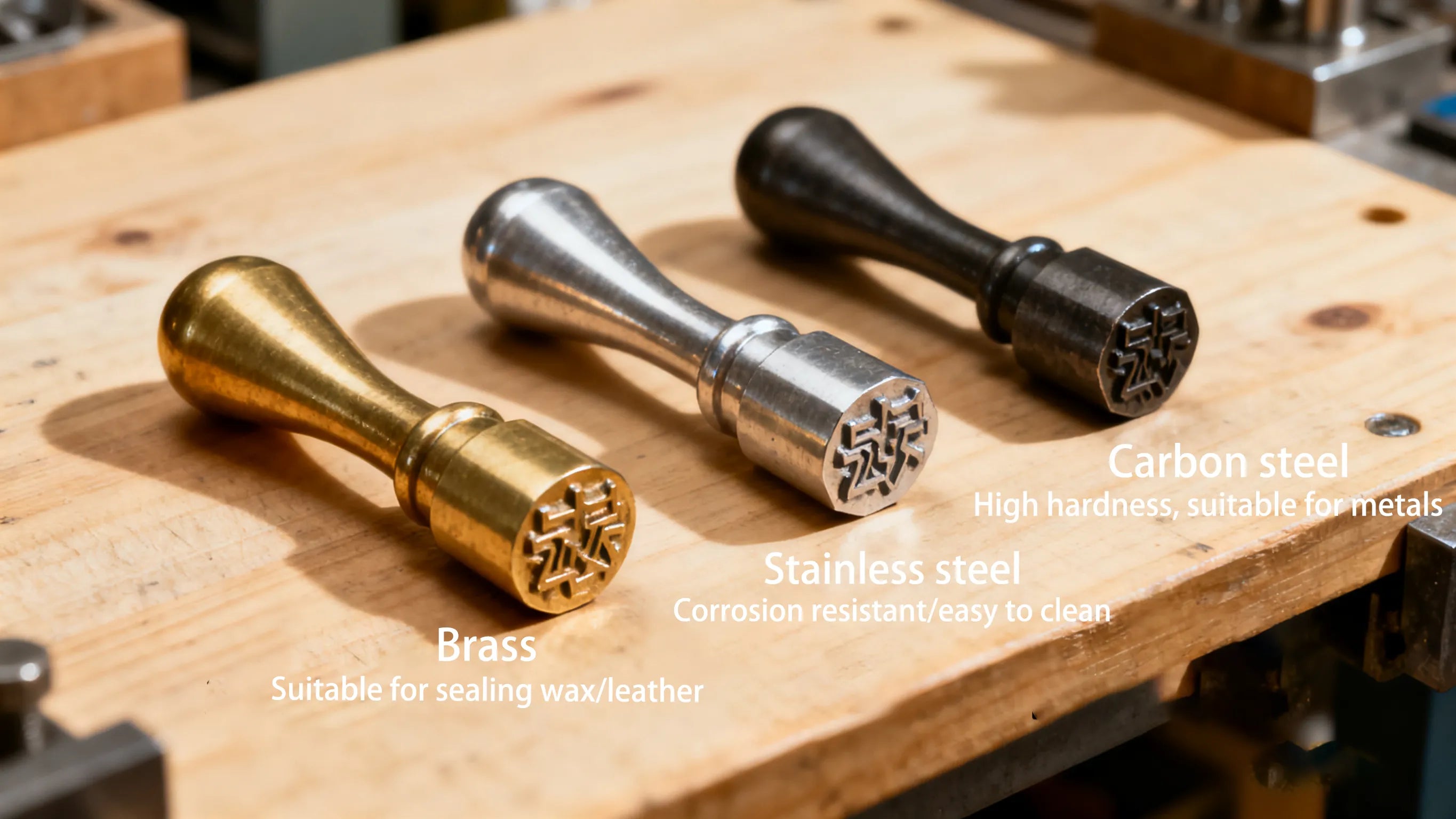
For daily DIY jewelry crafting, prioritize premium stamps made from high-carbon steel or chrome-vanadium alloy steel, featuring an industry-standard HRC hardness rating of 58 to 62.
This hardness range delivers optimal performance for hobbyist and semi-professional use. These sturdy stamps withstand frequent hammer strikes without bending, chipping, or dulling over time.
Meanwhile, their sharp precision tips create deep, clear imprints on all common jewelry metals, including copper, brass, aluminum, sterling silver, and fine silver.
Soft brass stamps are not recommended for formal jewelry making. Though budget-friendly, these tools are designed exclusively for lightweight leather crafts, not rigid metal surfaces.
Brass stamps wear down rapidly with regular metal stamping, requiring constant replacements and increasing long-term craft costs.
Casual hobbyists can use affordable standard stainless steel stamps for occasional DIY projects. However, frequent creators and anyone working with hard metal blanks should upgrade to heavy-duty alloy steel stamps for stable, long-lasting stamping performance.

2. Select the Correct Stamp Size for Your Jewelry Projects
Oversized stamp patterns crowd delicate rings and tiny charms, while undersized stamps produce faint, unnoticeable markings on large pendants and keychains.
Virtually all jewelry stamping projects align with three standard stamp sizes, each engineered for specific jewelry types and design aesthetics.
1/8 inch (3mm) stamps are the most versatile option for intricate fine jewelry crafting.
This compact size works exceptionally well for thin band rings, mini charm bracelets, dainty earring accents, and small silver blanks.
It adds subtle personalized details like initials and short meaningful phrases without overpowering delicate designs, making it the top choice for beginners and professional fine jewelry creators.
3/16 inch (4–5mm) stamps are ideal for crafting all medium-sized handmade jewelry pieces.
Standard pendants, daily-wear bracelet tags, and layered metal charms pair perfectly with this universal stamp size.
It delivers bold, highly legible imprints with a polished, refined finish, perfect for stamping short names, single initials, and subtle decorative symbols.
1/4 inch (6mm) stamps create bold, eye-catching impressions ideal for statement-style jewelry designs.
This large size is optimized for thick, sturdy metal blanks, oversized keychain tags, and bold statement pendants.
Avoid using large 6mm stamps on delicate, thin jewelry pieces. Heavy deep imprints can distort fine designs and permanently bend thin metal blanks.

3. Match Metal Stamps to Your Jewelry Blank Material
A prevalent mistake among new crafters is assuming all hand metal stamps for jewelry deliver uniform results on every metal surface. In reality, different jewelry metals feature varying hardness levels.
This simple matching technique minimizes unnecessary tool wear, extending stamp lifespan and reducing long-term craft supply costs.
Soft metals including aluminum, copper, and brass are the most beginner-friendly options for metal stamping practice.
These malleable materials require minimal hammer pressure. Standard carbon steel stamps produce sharp, flawless imprints with zero surface rebound.
They serve as ideal practice materials for mastering stamping techniques before working with premium, harder jewelry metals.
Sterling silver, fine silver, and nickel silver are medium-hard metals widely used for premium handmade jewelry.
These durable metals require moderate pressure for clean stamping. Always use HRC 58–62 hardened steel stamps for silver and nickel silver blanks.
Their rigid, precision tips glide smoothly across metal surfaces without slipping, ensuring consistent crisp lettering and evenly deep imprints every time.
Hard metals, most commonly stainless steel jewelry blanks, require professional heavy-duty stamping tools.
Standard DIY stamp sets lack the rigidity to leave clear markings on stainless steel. Excessive hammer force will only bend, dull, or permanently damage regular stamps.
If you regularly craft stainless steel jewelry, industrial-grade alloy steel stamps are a cost-effective long-term investment for consistent, high-quality stamping results.

4. Pick Stamp Types: Letters, Numbers & Symbols
Every jewelry maker has unique creative goals. Some specialize in personalized text-based jewelry, while others focus on artistic decorative designs.
Complete A-Z letter and 0-9 number stamp sets are an essential staple for every jewelry maker’s toolkit.
These tools are indispensable for creating custom name bracelets, date-engraved pendants, initial charms, and sentimental memorial jewelry pieces.
Prioritize stamp sets with uniform font thickness and consistent stamp height. These subtle details ensure aligned, neat, professional-looking stamped text on every piece.
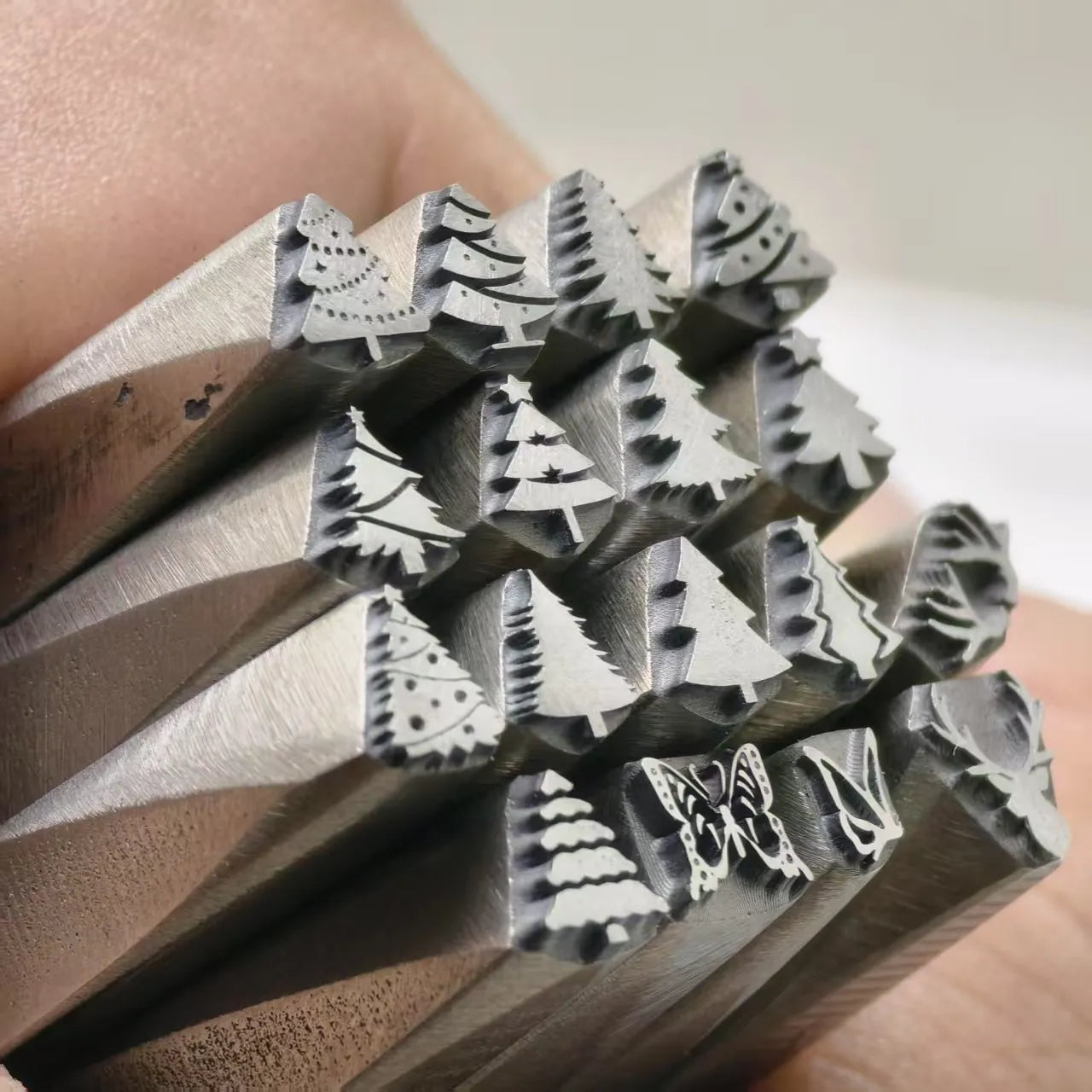
Decorative symbol stamps offer a simple, effective way to elevate plain, basic jewelry designs.
Hearts, stars, moon silhouettes, floral motifs, and geometric patterns add unique personality and charm to blank metal surfaces.
These subtle custom transformations turn ordinary DIY crafts into gift-worthy or sellable finished pieces for hobbyists and small jewelry business owners.
For creators running a handmade jewelry brand, custom logo metal stamps are a valuable upgrade.
These specialized custom tools let you engrave your unique brand mark onto every handmade piece.
They deliver a polished, cohesive, and professional finish that strengthens brand recognition for handmade jewelry lines.
5. Check Stamp Precision & Ergonomic Build Quality
Precision and build quality separate professional-grade metal jewelry stamps from cheap beginner tools. Fine craftsmanship ensures clean, consistent imprints without distortion or errors.
Top-tier stamps feature fully polished, sharp stamp faces with smooth, uniform edges for flawless impressions.
Low-quality, blunt stamps produce fuzzy, distorted imprints that cannot be corrected, wasting valuable crafting time and premium metal blanks.
Ergonomic stamp design significantly improves the efficiency and accuracy of your stamping workflow.
Premium stamps feature smooth, anti-slip cylindrical bodies and flat, wide striking tops for stable hammer contact.
This stable construction prevents tilting, slipping, and uneven imprints during strikes. Uniform stamp length across the entire set ensures consistent imprint depth for words and phrases.
Top-tier stamps feature fully polished, sharp stamp faces with smooth, uniform edges for flawless impressions.
Low-quality, blunt stamps produce fuzzy, distorted imprints that cannot be corrected, wasting valuable crafting time and premium metal blanks.
Ergonomic stamp design significantly improves the efficiency and accuracy of your stamping workflow.
Premium stamps feature smooth, anti-slip cylindrical bodies and flat, wide striking tops for stable hammer contact.
This stable construction prevents tilting, slipping, and uneven imprints during strikes. Uniform stamp length across the entire set ensures consistent imprint depth for words and phrases.
6. Choose Stamps Based on Your Craft Frequency
Casual hobbyists who craft only on weekends or for occasional handmade gifts do not need high-end professional stamp sets.
Standard steel stamp sets offer sufficient quality and durability for light, infrequent DIY customization projects.
Frequent stampers and small handmade jewelry business owners gain maximum value from hardened alloy steel stamp sets.
These heavy-duty professional tools retain sharp edges and precise shaping through hundreds of repeated hammer strikes.
They eliminate frequent tool replacements and maintain uniform, professional quality across all finished jewelry pieces.
Industrial-grade professional stamp sets are engineered for high-volume, daily commercial stamping use.
They are ideal for full-time jewelry makers who consistently work with hard metal blanks.
These premium tools deliver uncompromising long-term durability and precise stamping performance for commercial crafting.
7. Pair Stamps With Essential Stamping Accessories
Specialized stamping accessories boost stamping accuracy, improve finish quality, and protect your tools and delicate metal blanks from damage.
Most beginner-friendly stamp kits include these essential add-ons to significantly improve your overall stamping success rate.
A heavy-duty steel bench block creates a sturdy, non-slip base for every stamp strike.
It minimizes surface rebound, enabling deeper, more uniform imprints on all types of metal blanks.
A soft rubber backing pad prevents thin blanks from bending, warping, or cracking during stamping. A dedicated stamping jig ensures perfectly straight, evenly spaced text alignment.
Always pair your stamp sets with a brass or nylon-headed jewelry hammer for optimal protection.
These specialized hammers prevent chipping, denting, and wear on stamp tops during repeated use.
These affordable accessories extend your stamp collection’s lifespan and consistently elevate stamping finish quality.
Final Thoughts
Selecting reliable jewelry metal stamps does not have to be complicated. The core rule is to match your tool’s quality, size, and hardness to your specific jewelry crafting needs.
Choose stamp sizes that match your blank dimensions and align stamp hardness with your metal material type. Avoid overinvesting in professional sets for delicate light work, and steer clear of low-quality soft stamps for frequent daily use.
These practical, beginner-focused strategies help you build a versatile, long-lasting jewelry stamping toolkit.
With the right tools, you can consistently create crisp, professional-grade stamped jewelry for years.
Whether you craft jewelry for personal enjoyment, handmade gifts, or a small creative business, premium metal stamps will elevate every custom design you create.
FAQs About Choosing Metal Stamps for Jewelry Making
What is the best size metal stamp for jewelry making?
The 1/8 inch (3mm) metal stamp is the most versatile size for general jewelry stamping projects. It works perfectly for rings, earrings, small bracelets, and delicate blanks, delivering fine, clean details without overwhelming dainty handmade designs.
Are steel or brass stamps better for jewelry?
Hardened steel stamps outperform brass stamps by a wide margin for jewelry making applications.
Brass stamps are overly soft for repeated metal stamping and wear out rapidly, while high-carbon steel stamps retain sharpness and deliver consistent, clean imprints long-term.
Do I need special stamps for sterling silver jewelry?
Yes, specialized hardened stamps are essential for sterling silver jewelry stamping.
Always use HRC 58–62 hardened alloy steel stamps for sterling silver blanks. Standard soft stamps produce faint, blurry marks, while premium hardened steel creates deep, crisp, professional-quality imprints every time.